
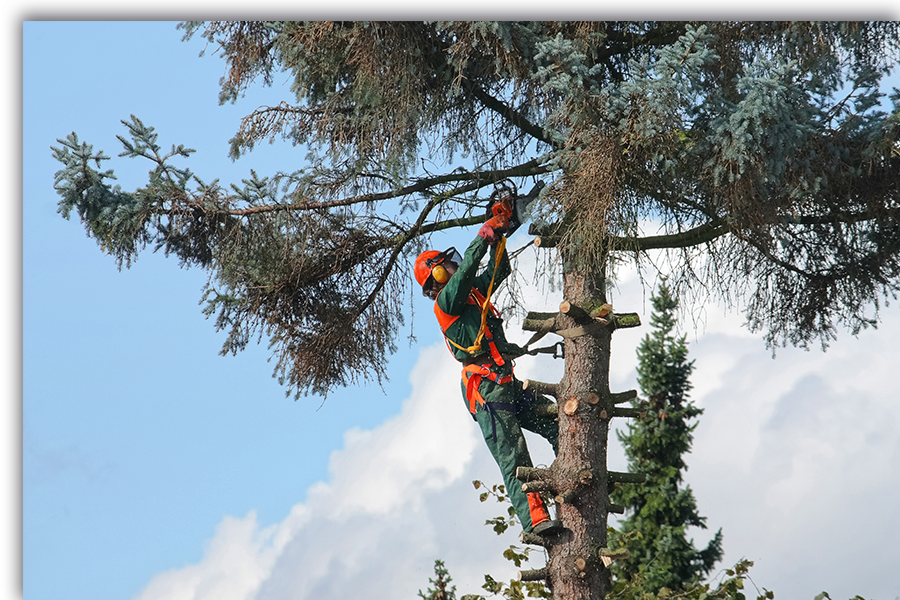
Tree Trimming
 Aarons Tree & Landscaping Services offers a LARGE variety of areas in which we can proudly assist you! Below are a few of those areas! For concerns not listed, please feel free to contact us!
SHRUB SERVICES INCLUDE: Trimming – Removal – Planting
TREE SERVICES INCLUDE:
- Proper Pruning
- Tree Removal
- Cabling
- Cavity Filling
- Lot Clearing
- Vertical Mulching
- Hazardous Tree Removal
- High Powered Stump Removal
- Bucket Truck Available
- Planting
- Firewood Splitting
- Emerald Ash Borer Prevention
- Dormant Oil Removal
- Deep Root Feeding
Trees can be the gentle giants of our souls. They provide us with shade when we are weary, strength when we cannot stand, and oxygen so we can breathe. They clean our air, provide habitats for countless animals, and bestow beauty in our environment when they bloom. Trees have so many benefits that it’s our responsibility to care for them so that they can continue to shade our world.
Aaron’s Tree & Landscaping Service in Dayton specializes in tree trimming, tree removal, stump removal, and tree planting. We take care of your trees so you can enjoy their beauty, and our certified arborist can help answer any questions or concerns you may have. Below, we’ll dive into just a few of the many benefits trees offer. Contact us today to get started!
BENEFITS OF TREES
Beautiful
Trees are beautiful, no doubt about it. From the cherry blossoms in the spring to the rainbow of colors in the fall, trees enrich our world, inspire us to be better versions of ourselves, and make your yard beautiful. When you invest in tree trimming for your front yard trees, you’ll increase the curb appeal of your home, which can increase its resale value. When you invest in tree pruning for your backyard trees, you’ll create a mini-oasis from the heat of the day and a respite from the pressures of your world. Trees are wondrous in their own right, and Aaron’s Tree & Landscaping Service in Dayton would love to help you care for your trees.
Provide habitat
Without trees, birds would have a lot less areas to perch, a lot less places to build their nests to raise their young, and a lot less places to hide. Trees are home to countless birds who count on the height of trees to protect them and their young from predators, as well as their branches and leaves to protect them from storms. Squirrels spend most of their lives in trees. Sloths in the Amazon rainforest almost never leave them. Caterpillars grow into beautiful butterflies on some trees, and ants make compost out of trees when they near their end. Whether animals climb trees to escape predators, such as the porcupine, or they depend on trees together in a forest, such as the tiger, to survive, trees everywhere provide habitat for animals that enrich our lives as well. By investing in tree trimming and tree pruning services with Aaron’s Tree & Landscaping Services in Dayton, you are ensuring the health of many animals’ habitat.
The list of benefits of trees to our planet goes on and on. Why wait? Call Aaron’s Tree & Landscaping Services in Dayton today for not only your tree trimming and tree care needs, but also for advice from our certified arborist!
We have a certified arborist on staff at all times to help you with any question or concerns you may have!